What does an exit-ready finance function actually look like? And how early should you start building one?
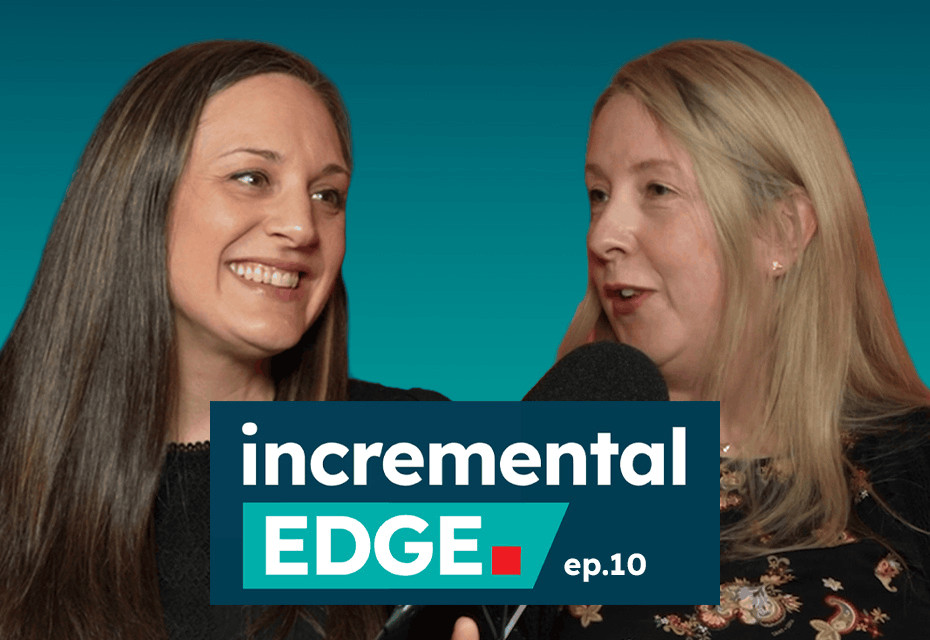
These were two of the questions I wanted to explore with Patty Efraimidou, Finance Director at Colonis Pharma, during our recent Incremental Edge Live event, The Investment-Savvy CFO.
We often think about exit preparation in terms of due diligence, financial information and getting everything ready for potential buyers. But Patty's experience highlights something much more fundamental: the quality of your finance team, the reliability of your information and the strength of your processes matter long before a transaction begins.
What I particularly valued about our conversation was Patty's willingness to share the practical realities of going through a sale process, including the things that didn't go to plan.
Your growth story is only as strong as the evidence behind it
Most businesses have a story about where they're going. New customers, stronger margins, ambitious forecasts and opportunities for growth.
But how much of that story could you prove if a buyer asked tomorrow?
Patty shared an example that really brought this home. She'd been told that a valuable new customer contract had been signed. It was expected to deliver strong margins and formed part of the business's growth story.
When she checked the contract itself, it hadn't actually been signed.
It's a simple example, but the implications are significant.
During a transaction, people are understandably focused on achieving the best possible valuation. It's easy for expectations to build around opportunities that everyone believes will materialise.
But buyers aren't investing in what a business hopes is true. They want confidence in the information they're being given.
And as we discussed, if those claims don't stand up during due diligence, the value you've worked hard to build can start to be chipped away.
The lesson isn't that every opportunity needs to be guaranteed. It's that finance leaders need to understand which assumptions are material to the growth plan and make sure there's evidence to support them.
That discipline is useful whether you're preparing for a sale or simply trying to make better decisions today.
The CFO's day job doesn't disappear during a transaction
One of the strongest moments in our conversation came when Patty talked about bringing her finance team through change.
She didn’t want change to be done to them. She wanted them to participate in it.
That meant understanding individuals, their appetite for change and what would make the new way of working better for each of them.
It’s a simple idea, but one that’s easy to overlook when there’s pressure to deliver a project or implement a new system.
We often focus on the destination of change: the new system, the improved process, the better data. But getting there means bringing people with you.
For leaders, that might mean spending more time listening before deciding. It might mean involving the people doing the job in designing the solution. Or it might simply mean recognising that different people need different reasons to get behind the same change.
None of those actions are particularly dramatic. Together, they can determine whether change sticks.
The CFO has a view across the business
One of my favourite moments from the conversation was when Patty described what an exit process actually feels like for the CFO.
While the CEO, shareholders and advisers are excited about the transaction, the finance leader is often thinking about something rather different: the work ahead.
Patty described cancelled holidays, childcare arrangements and the reality that the day job can quickly become a night job.
It's a side of business sales we don't always talk about, but one I recognised immediately.
The important point isn't simply that transactions are demanding. It's what that pressure reveals about the finance function.
If every important decision, report or financial question depends on the CFO, what happens when they're spending most of their time with advisers and potential buyers?
The business still needs to operate. Suppliers need paying, cash needs collecting, forecasts need updating and management needs reliable information.
Patty's advice was to have people who are already capable of taking on those responsibilities, rather than hoping they'll step up when the pressure arrives.
For me, that's a valuable leadership lesson well beyond exit planning. Building a team that can operate confidently without you isn't about making yourself less important. It's about making the business stronger.
The problems you leave unresolved don't disappear
Another point Patty made was about the issues businesses know exist but haven't prioritised.
She spoke about tax exposures and a potential intellectual property dispute that hadn't seemed particularly urgent during normal operations.
When those issues surfaced during due diligence, resolving them required external advice and additional time.
It's often the uncertainty that causes the problem. When buyers aren't comfortable with something, they ask more questions, request more evidence and take longer to reach a decision.
From my own experience at Datel, I know that even seemingly small issues can slow a transaction down.
Not every problem can be resolved in advance, but understanding it, assessing the impact and being open about it puts you in a much stronger position than waiting for someone else to uncover it.
If you had two years to prepare, where would you start?
I finished our conversation by asking Patty a practical question.
If she took over the finance function of a business planning to sell in two years, what would she look at first?
Her answer wasn't the data room.
She started with the people.
Their capabilities, their skills, the structure of the finance team and how closely they work with the wider business. Then she moved on to the systems supporting them.
I thought that was a particularly useful answer because these are things that can't be fixed overnight.
Recruiting the right people, developing their skills, improving processes and building stronger relationships across the business all take time.
And they're worth doing even if an exit never happens.
That's perhaps my biggest takeaway from speaking with Patty. An exit-ready finance function isn't just one that can withstand a buyer's questions. It's one that understands the business, supports good decisions and has the people and systems to keep delivering when the pressure is on.
You don't need a transaction on the horizon to start building that.
More from Incremental Edge
Explore more conversations and practical insights for business leaders on our Incremental Edge YouTube playlist.